From CW and SSB to digital modes such as FT8 and APRS — the wide range of transmission methods in amateur radio.
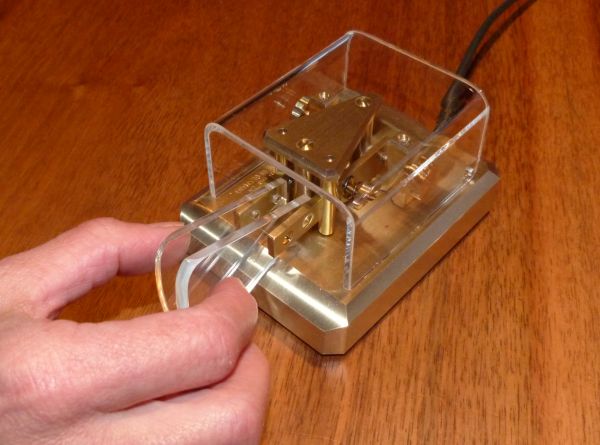
CW / Morse code / Telegraphy
The oldest mode of operation in amateur radio — still very much alive today.
SSB
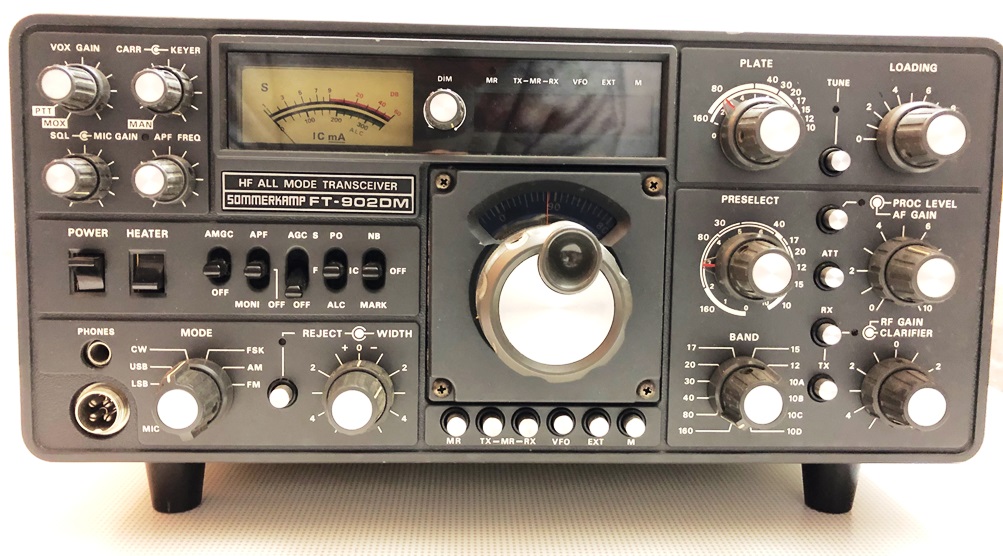
Single-sideband modulation — a spectrum- and energy-efficient modulation mode that has been the standard for analogue voice transmission on shortwave since the 1960s.
FM
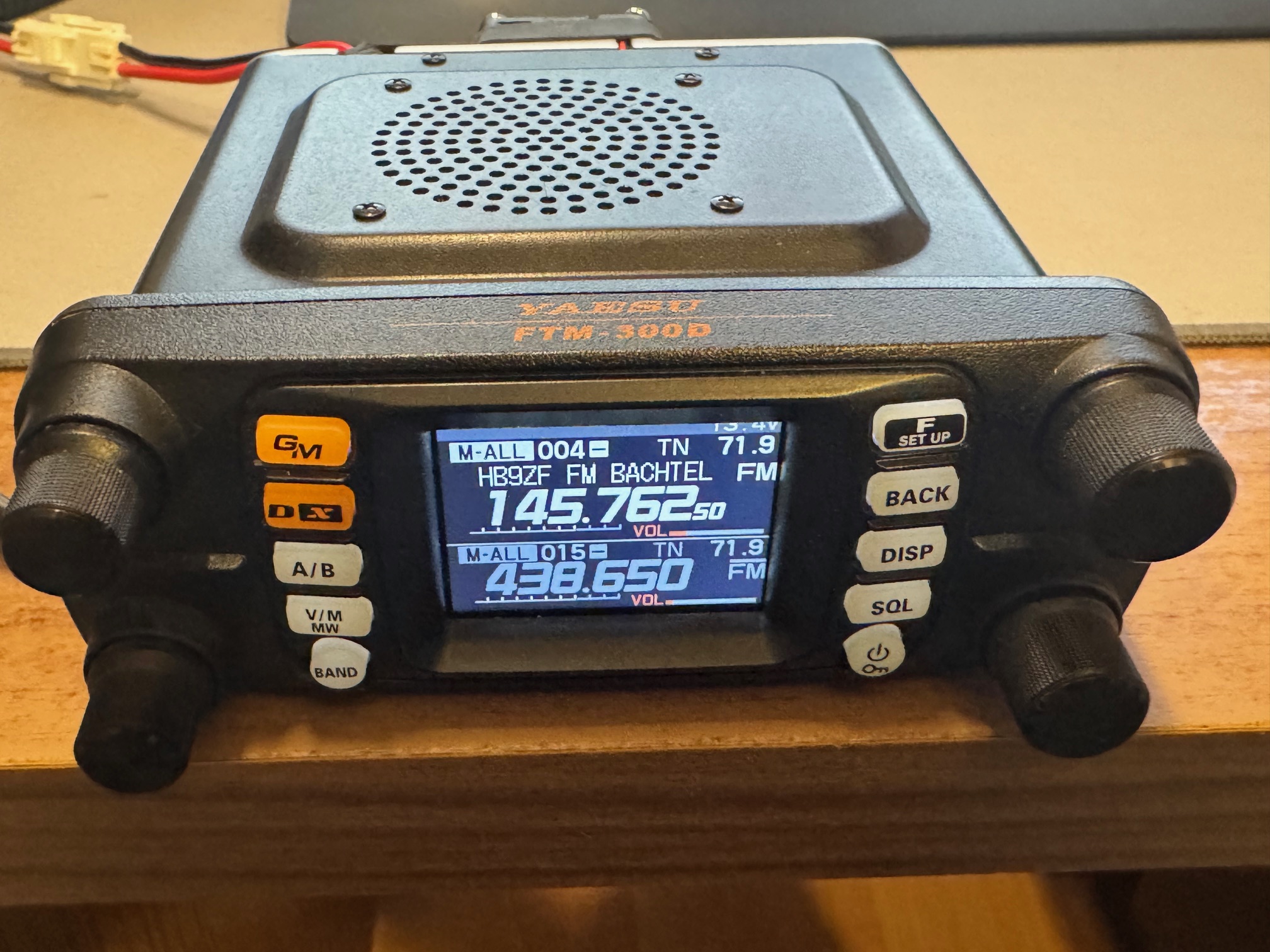
Frequency modulation — the preferred mode of voice communication above 50 MHz: narrowband, resistant to interference and the backbone of the Swiss relay network.
Digital modes
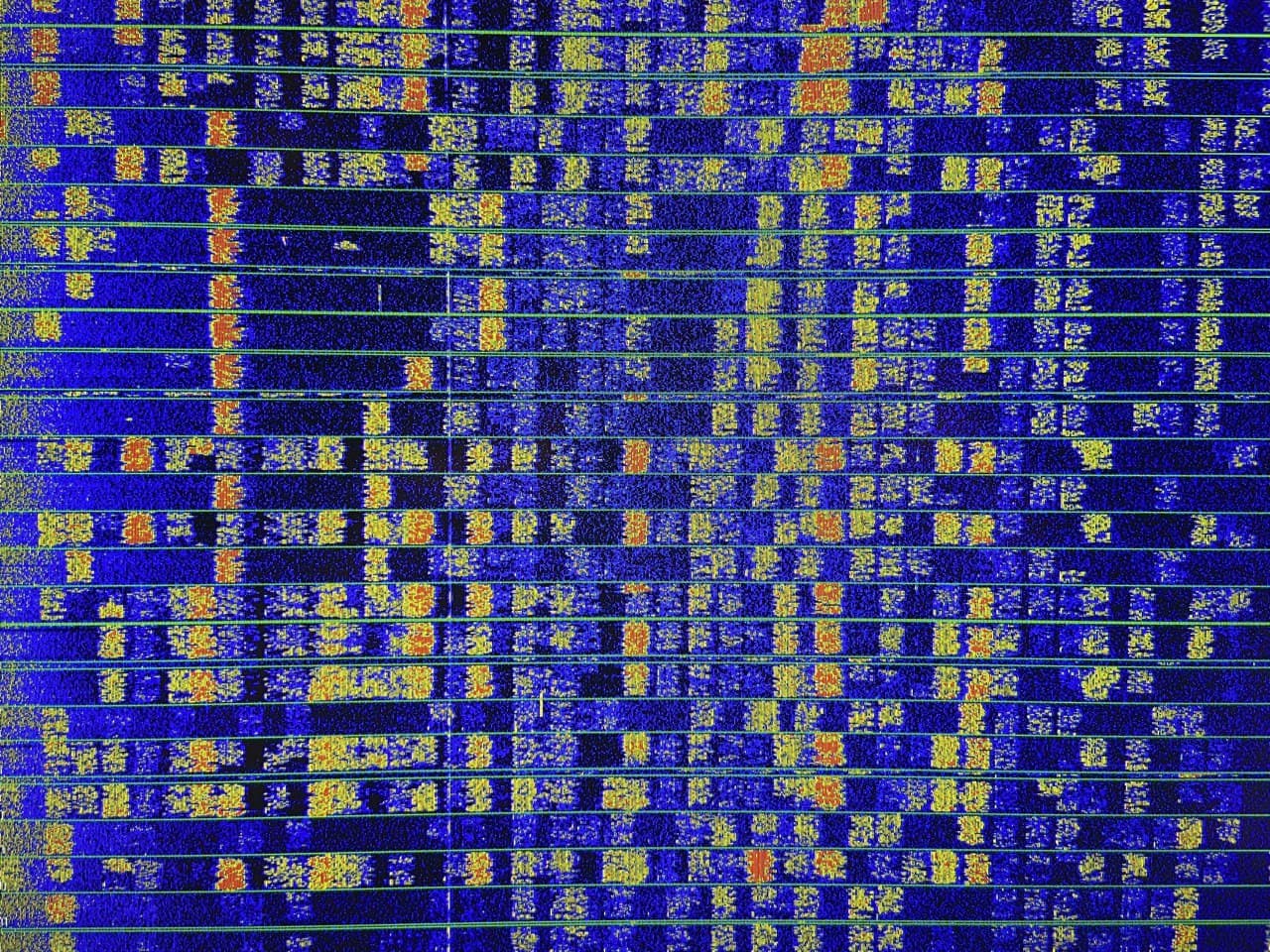
Digimodes — from RTTY and PSK31 to FT8 and FreeDV: worldwide radio contacts using low power and simple antennas, thanks to sound cards and free software.
AM
Amplitude modulation — the oldest modulation mode in the history of radio, usually used in amateur radio as single-sideband modulation (SSB).
DMR
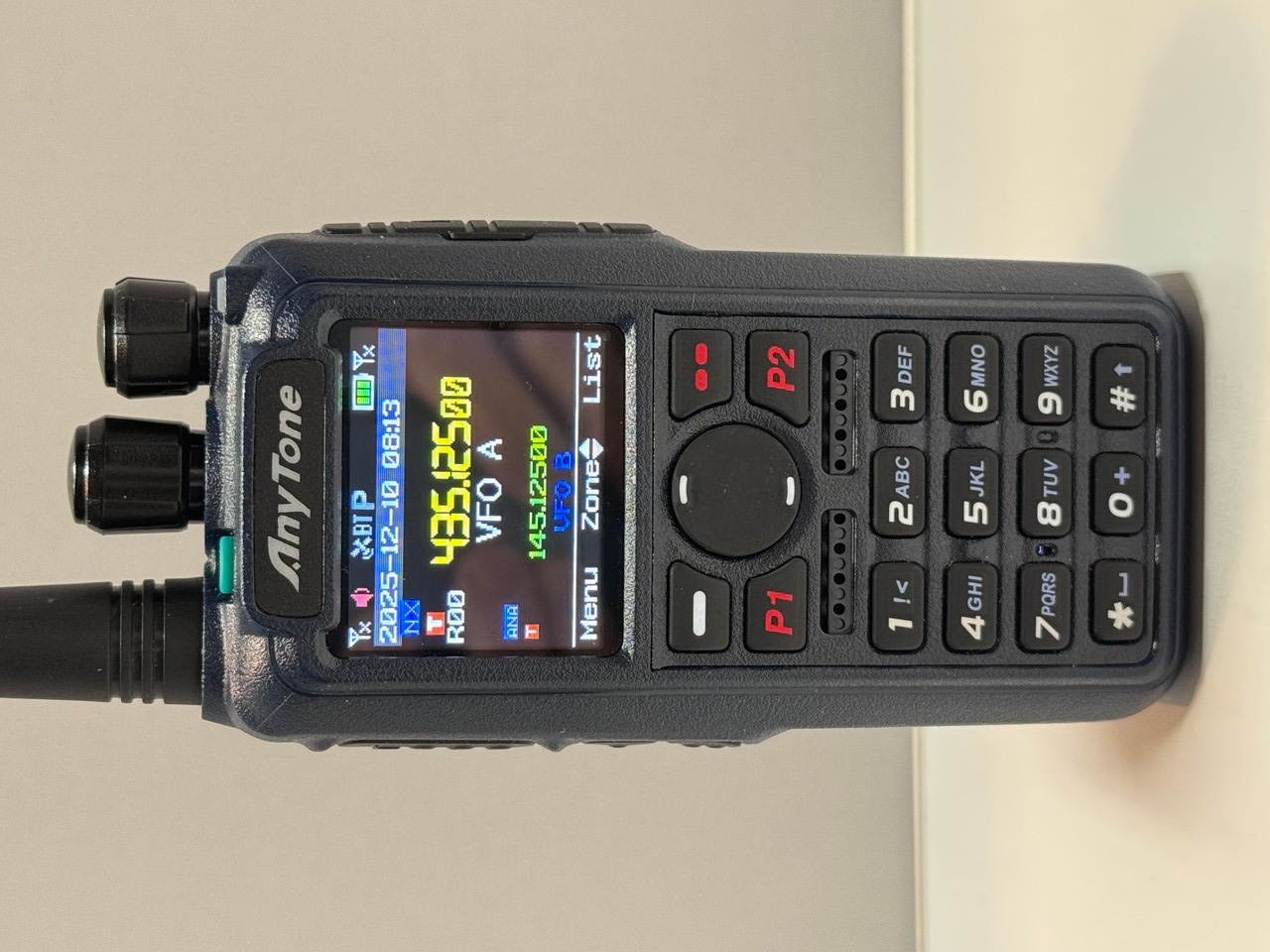
Digital Mobile Radio — ETSI-standardised digital modulation for voice and data, with two time slots per channel and global interconnection via Brandmeister, IPSC2 and DMR-MARC.
C4FM
Yaesu’s digital voice and data modulation with 4-level frequency shift keying — easy to use and connected worldwide via Wires-X.
D-STAR
Digital Smart Technologies for Amateur Radio — a Japanese digital voice and data standard with call sign relay via a global relay network.
FT8
A digital mode operating in 15-second intervals with a bandwidth of just 50 Hz — low power, simple antennas, long ranges.
Image transmission
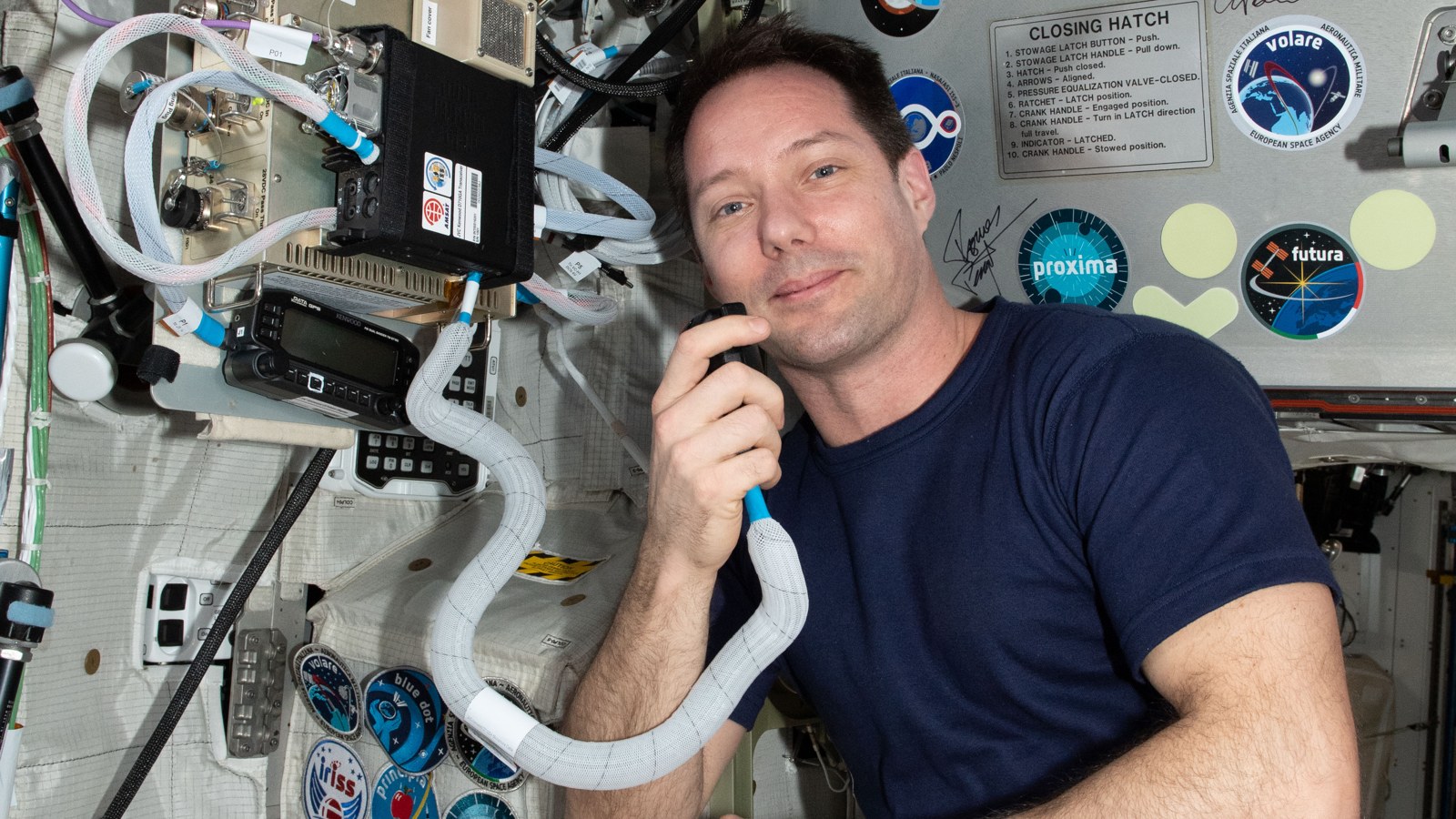
Images in amateur radio — SSTV and digital methods, amateur television (ATV/DATV) and the reception of SSTV images from the International Space Station (ISS).
SDR
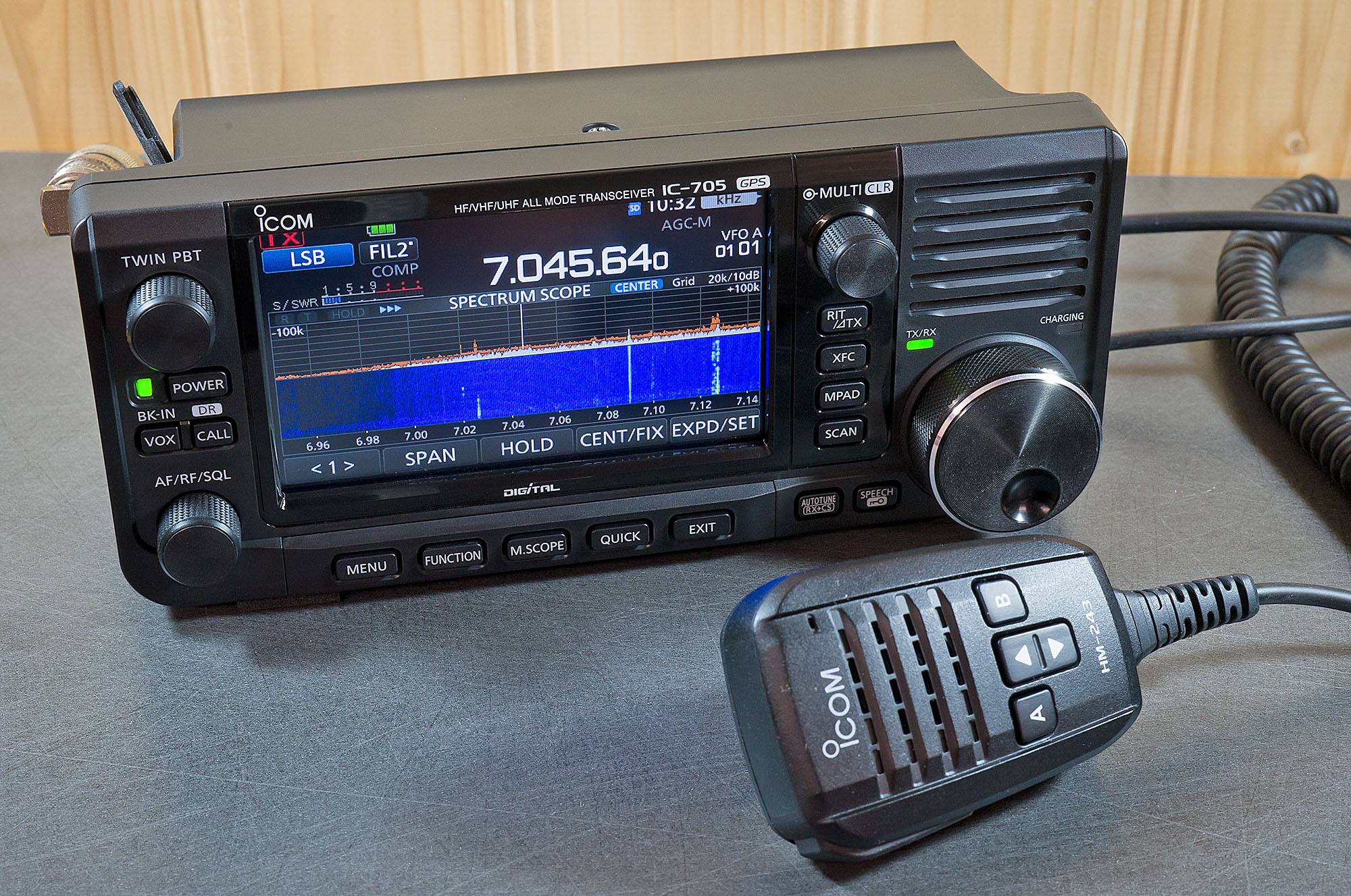
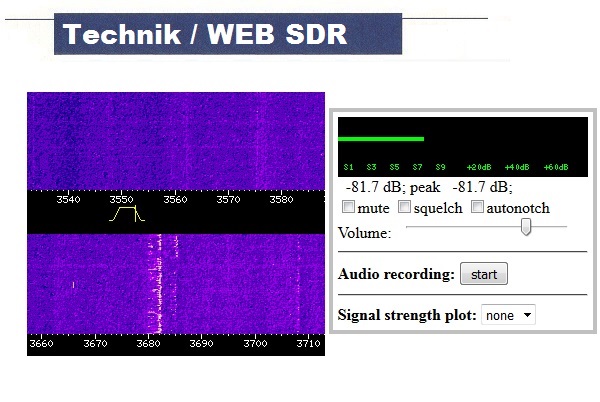
Software-Defined Radio — radio transceivers in which signal processing is carried out by software. This technology is now found in almost every modern transceiver, in low-cost USB sticks, in internet receivers and in the QO-100 satellite.